16 June 2021 - Infectious Disease
Teaching this week will be over Zoom:
https://zoom.us/j/5981463478?pwd=RThaZzNkL2w5bldBMlNHeE1zZFFaZz09
Meeting ID: 598 146 3478
Passcode: 2021
Program
1000-1030: Recap — Jonathan Leslie
1010-1020: ECG of the Week #1 — Sarah Simons
1020-1030: ECG of the Week #2 — Jannet Chan
1030-1100: Become an Expert Learner — Sarah Ward
1100-1130: Sexual Assault Assessment & Management — Jess Robertson
1130-1200: COVID intubation — Stuart Dilley
1200-1230: Lunch
1230-1330: Infectious Disease Cases — ID & HITH Consultants Dr Cristina Mateevici & Dr Nick Hewitt
1330-1400: Base of Skull Fractures — Alasdair Williamson
NOTE: 1330-1400: Fellowship Exam Groups — Written with Alex Handrinos & OSCE with Brendan Morrissey
Join Zoom Meeting: https://us02web.zoom.us/j/85101946690
Meeting ID: 851 0194 6690
Summary
Become an Expert Learner
Find out about your learning style: The VARK Questionnaire
Preparation time
At least 6 months for the Primary
At least 12 months for the Fellowship
Ideally sit the Written and OSCE components back-to-back while knowledge is fresh
Primary
iMeducate has hours of excellent practice MCQs
22 week primary exam schedule designed by Dr Tim Harraway from the Gold Coast (each week covers one topic from physiology, pharmacology, anatomy and pathology)
Practice OSCEs
Fellowship
Textbooks
Tintinalli’s Emergency Medicine — American, comprehensive
Dunn’s The Emergency Medicine Manual Online — Australian, in relevant dot-point
Cameron’s Textbook of Adult Emergency Medicine — Australian, light on detail but specific points may come up in the exam
Cameron’s Textbook of Paediatric Emergency Medicine — Australian, good summary of paediatric EM
Chan’s ECG in Emergency Medicine and Acute Care
Lawton’s Arterial Blood Gas Interpretation for the ACEM Fellowship — 25 worked examples which are excellent
Murray’s Toxicology Handbook — everything you need to know for tox
Other sources
James Hayes’ Notes
RCH Clinical Practice Guidelines
ACEM Clinical Guidelines and Policies
Do a LOT of practice SAQs — e.g. Cabrini (username: ceder, password: ceder2021), Geelong
AFEM Revision Course — live MCQ exam and live SAQ exam, ideally done in the month prior to your exam
Practice OSCEs
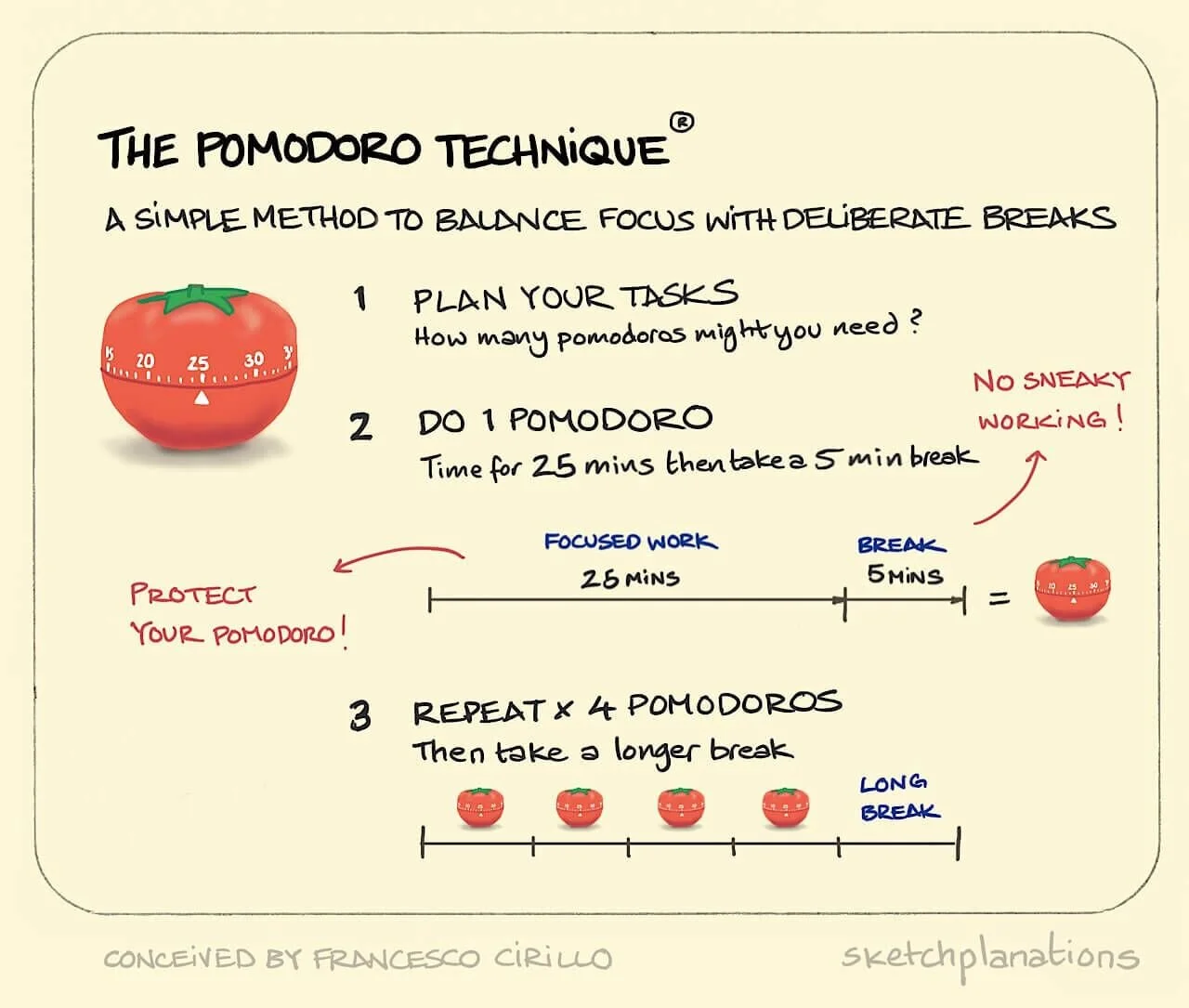
Pomodoro technique for staying focused and mentally fresh:
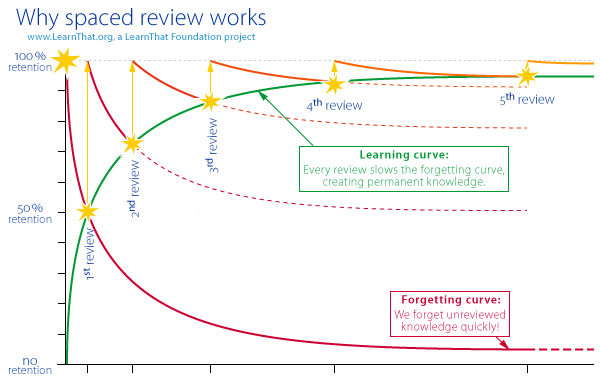
Without revision, only 25% of learned material is retained after 1 week:
Potential methods to revise:
Flash cards with question on one side and answer on the other — Anki is a free flash card program which can also be used on your smartphone
Study Group — go through 6 SAQs a week, write 2 MCQs a week for the others
Teach the juniors about a topic
Stick information to the shower glass and toilet door
Sexual Assault
In Australia, 1 in 6 women and 1 in 25 men since age 15
Sexual assault is any unwanted sexual behaviour or activity that makes a person feel uncomfortable, frightened or threatened. It includes rape, incest, child abuse, and unwanted touching. It also includes behaviour that does not involve actual touching. For example, stalking, sexting and forcing someone to watch pornography or masturbation is also sexual assault.
Risk factors for sexual assault: homelessness, disability, ATSI, CALD, LBGTQIA+, previous sexual assault
Modifications to usual clinical assessment in sexual assault:
Minimise waiting time, private area, minimise interruptions
Offer a chaperone
Understand the patient might request a clinician of the same gender
Be explicit in emphasising confidentiality
Non-judgmental approach — it is NOT the time to address “risk-taking” behaviour
Emergency contraception — levonorgestrel 0.75mg stat and repeated 12 hours later (>80% effective in first 72hrs, warn patient will delay next period)
Identify and prophylactically treat STIs, including bloodborne viruses — counsel about symptoms of acute hepatitis which may develop over next 1-2 months (fever, jaundice, abdominal pain)
Use a chaperone for any examination and ensure yours is to be the ONLY exam
Social work & Mental health support
Reporting to police
Discuss with Centre Against Sexual Assault — provide a free, confidential, 24-hour emergency and crisis care service for survivors of sexual assault to talk about their feelings in their own way and in their own time. Survivors are informed of their fundamental rights to medical, legal and support options.
Essential history:
Last menstruation
Contraception
Gynaecological history
Known or unknown assailant
STI and blood-borne virus status of both patient and assailant (if known)
Washing/Personal hygiene activities post-assault
Psychosocially safe discharge destination
History may be challenging due to denial, disorganisation, withdrawal, intoxication (incl. drugs administered by the assailant to render the survivor incapable of resistance or taken by the survivor to deal with the trauma), hostility, risk of suicide
Examination should be head-to-toe:
Pulled hair, alopecial patches
Subconjunctival haemorrhage
Facial petechiae
Strangulation marks — if present, keep for 24hrs of neurological observation and consider prophylactic aspirin and CT carotid angio if they have lost consciousness
Hand grip and ligature marks
Small joint fracture-dislcations
Perineal and pelvic area tears
Retained foreign bodies
STI check-up
Risk of STI — 5-15% chlamydia & trichomonas, 4% gonorrhoea, <3% syphilis
Serology — HIV Ab, Hep B serology (HBsAg, HBsAb, HBcAb), Hep C Ab, RPR and TPHA
Endocervical swab PCR & High vaginal swab PCR for chlamydia, trichomonas and gonorrhoea
First-pass urine PCR for chlamydia and gonorrhoea
GP follow-up at 3 weeks — recheck for chlamydia, gonorrhoea, trichomonas, HPV, herpes
GP follow-up at 3 months — recheck for HIV, Hep B & C, syphilis
STI prophylaxis
Chlamydia — PO azithromycin 1g stat (followed by another 1g in one week)
Gonorrhoea — IM ceftriaxone 500mg (mix with lignocaine 1% 1mL to reduce pain on administration)
Syphilis — IM benzathine penicillin 1.8g
Hep B — Hep B vaccine and IM Hep B immunoglobulin 400 units if not immune (anti-HBs < 10)
HIV
3 drugs — Tenofovir/Emtricitabine 300/200mg daily and Raltegravir 400mg BD
Raltegravir can cause rhabdomyolysis
NOTE: PEP is not recommended following heterosexual sexual assault* unless assailant is known to be HIV positive (however discuss on case-by-case basis with ID Registrar). *Definitively not recommended if only oral intercourse
SCOVID intubation
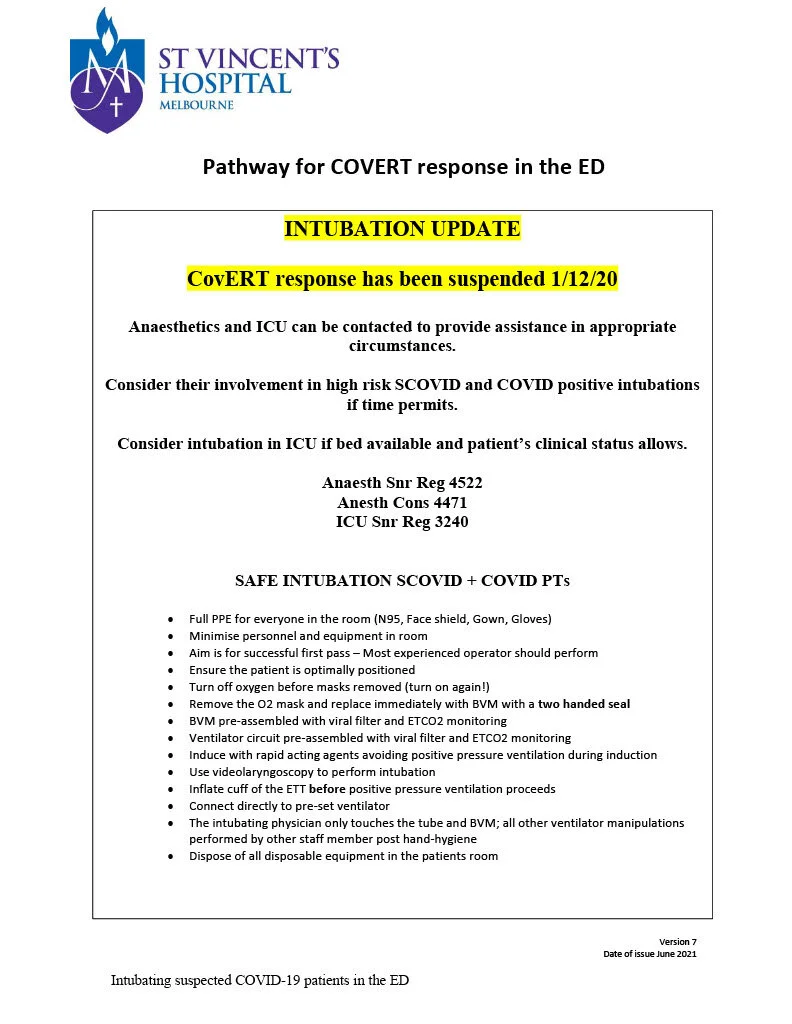
COVERT team no longer exists — just call Anaesthetics directly
Level 4 PPE — use a full face shield
Minimise people in the room
Two-handed BVM technique to minimise aerosols — turn oxygen off before removing from face (remember to turn it back on after if needed!)
Use a videolaryngoscope to maximise distance away from the patient’s airway
HITH referrals
Includes The Cottage
Max twice daily visits
Types of patients they see
Exacerbation of CCF or COPD
Prolonged IV ABx (e.g. cellulitis, osteomyelitis, pyelonephritis)
Bridging anticoagulation
Vacuum-assisted wound closure devices or complex wound dressings
In Hours (0800-1730 Mon-Fri) — Call both the Liaison Nurse x3817 and HITH Registrar 0438 946 593
After Hours — Page the Liaison Nurse p607 and call the HITH Consultant via switchboard
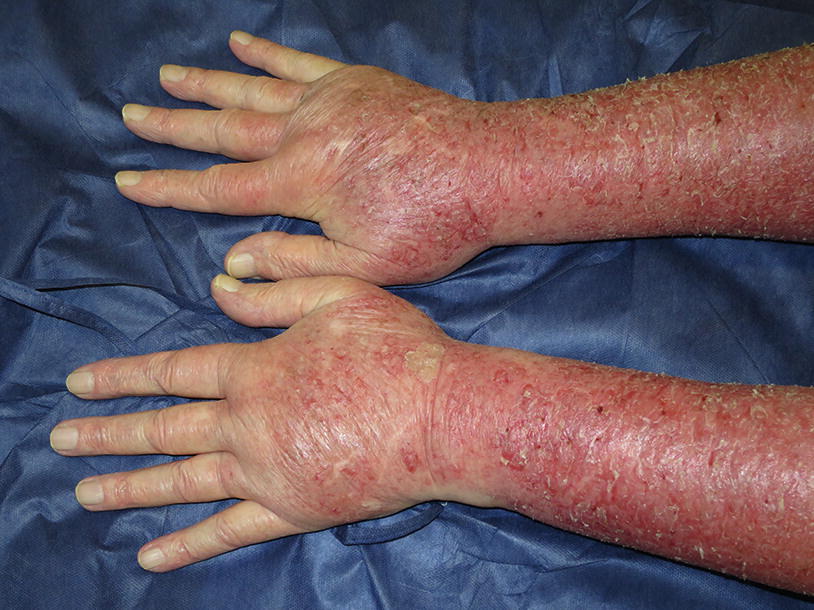
Mimickers of cellulitis:
DVT
Gout
Lipodermatosclerosis
Cutaneous Hodgkin lymphoma
Sweets syndrome (acute febrile neutrophilic dermatosis)
Cellulitis from olecranon bursitis often needs long courses of IV antibiotics, so refer to HITH.
The majority of superficial skin infections associated with marine environments are due to Strep or Staph and can be treated with PO cephalexin 1g QID for 5 days safely. If the climate is warmer, you may need to consider changing to PO ciprofloxacin 500mg BD to cover the Vibrio species.
Necrotising fasciitis:
Pain disproportionate to exam findings, systemic toxicity, local inflammation with oedema extending outside the area of erythema
Crepitus is a late sign of necrotising fasciitis
NSAIDs can make the condition progress faster
ECG of the Week #1
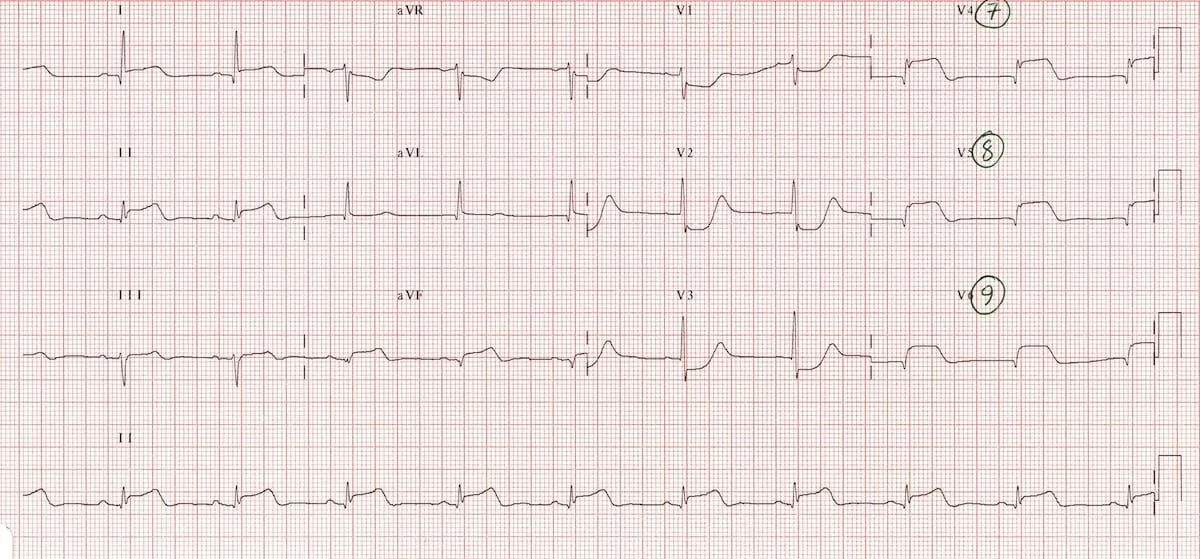
40yo man presents with chest pain.
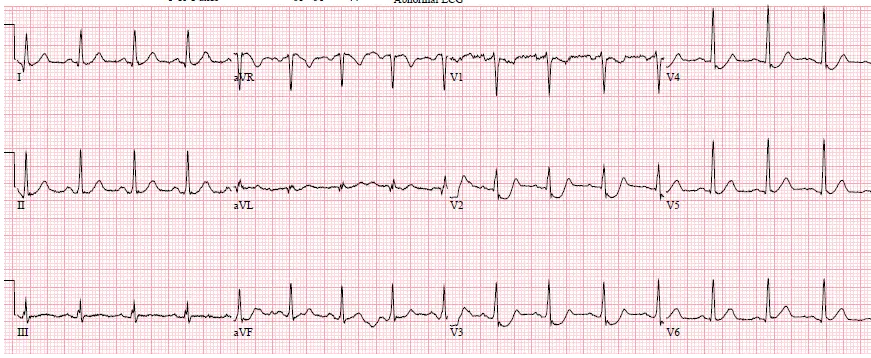
1) Describe the ECG and diagnosis.
≥0.5mm ST depression in V1-3 => Posterior STEMI
2) What coronary vessels are affected?
RCA (dominant in 70% of people)
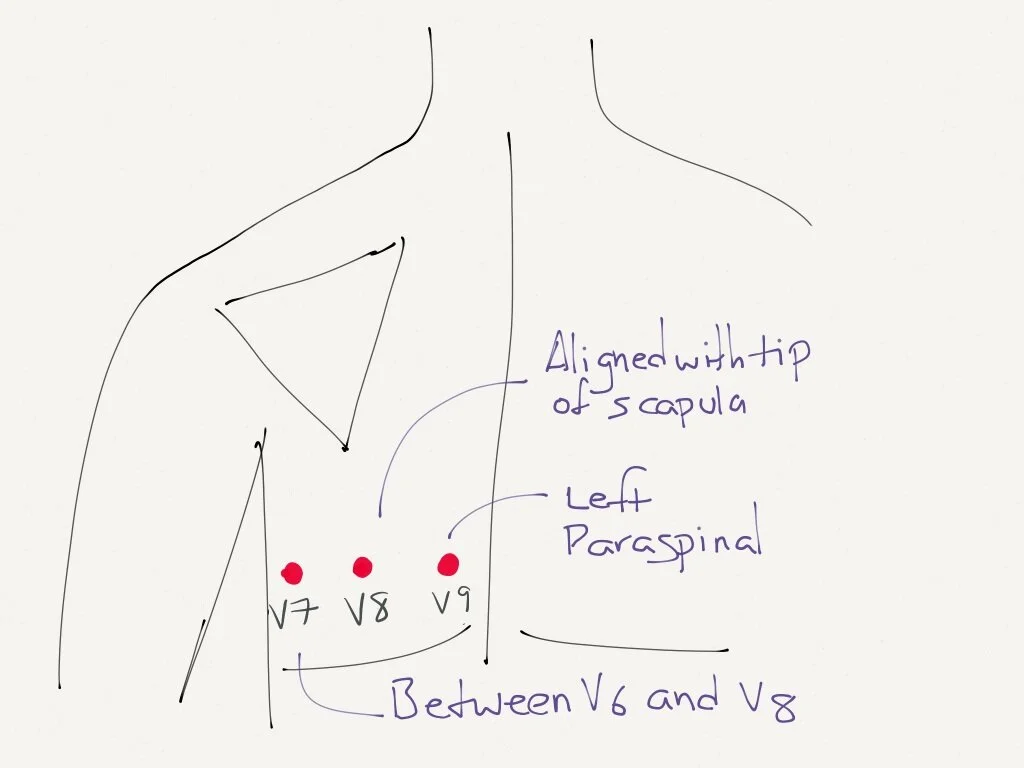
3) Describe how and why you might decide to take a posterior ECG trace.
If you are suspicious of a posterior STEMI, swap leads V4-6 for V7-9.
≥0.5mm ST elevation in V7-9 => Confirms posterior STEMI
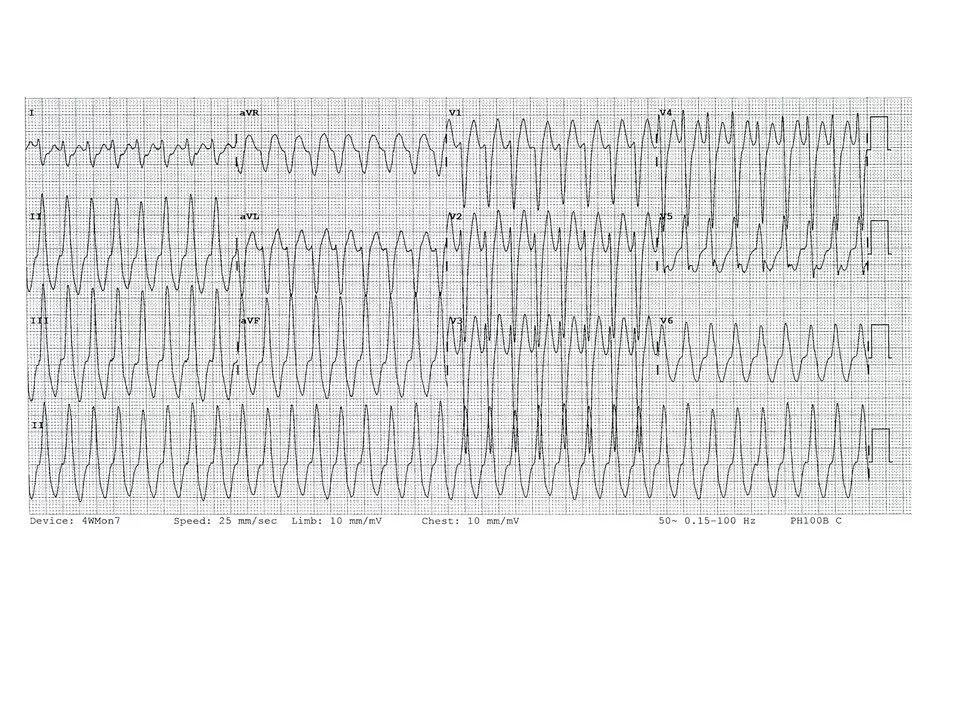
ECG of the Week #2
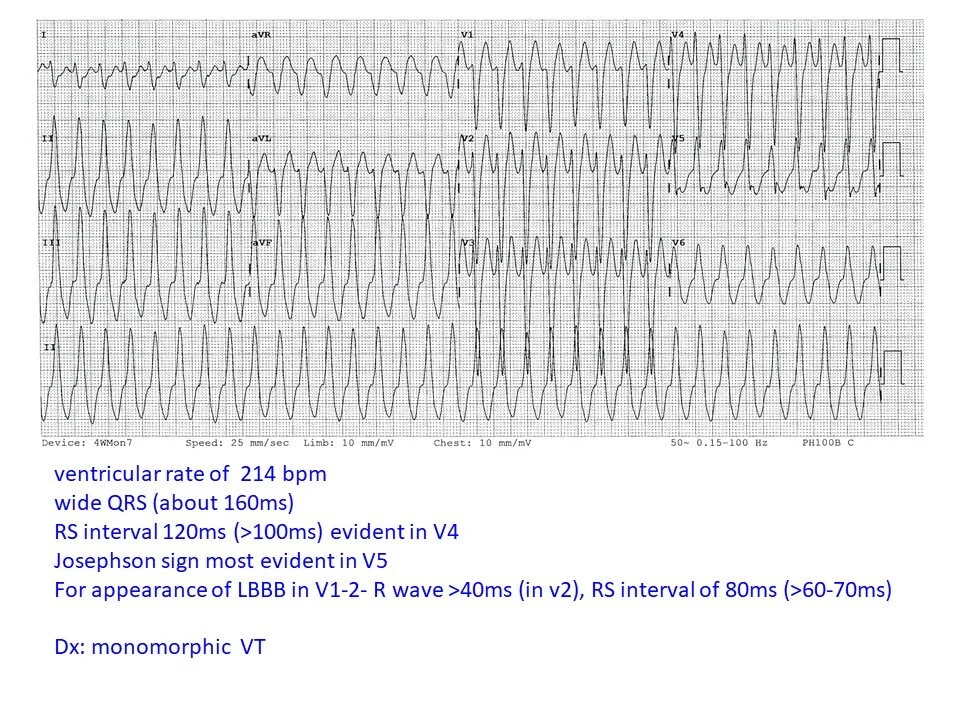
79yo man presents with palpitations.
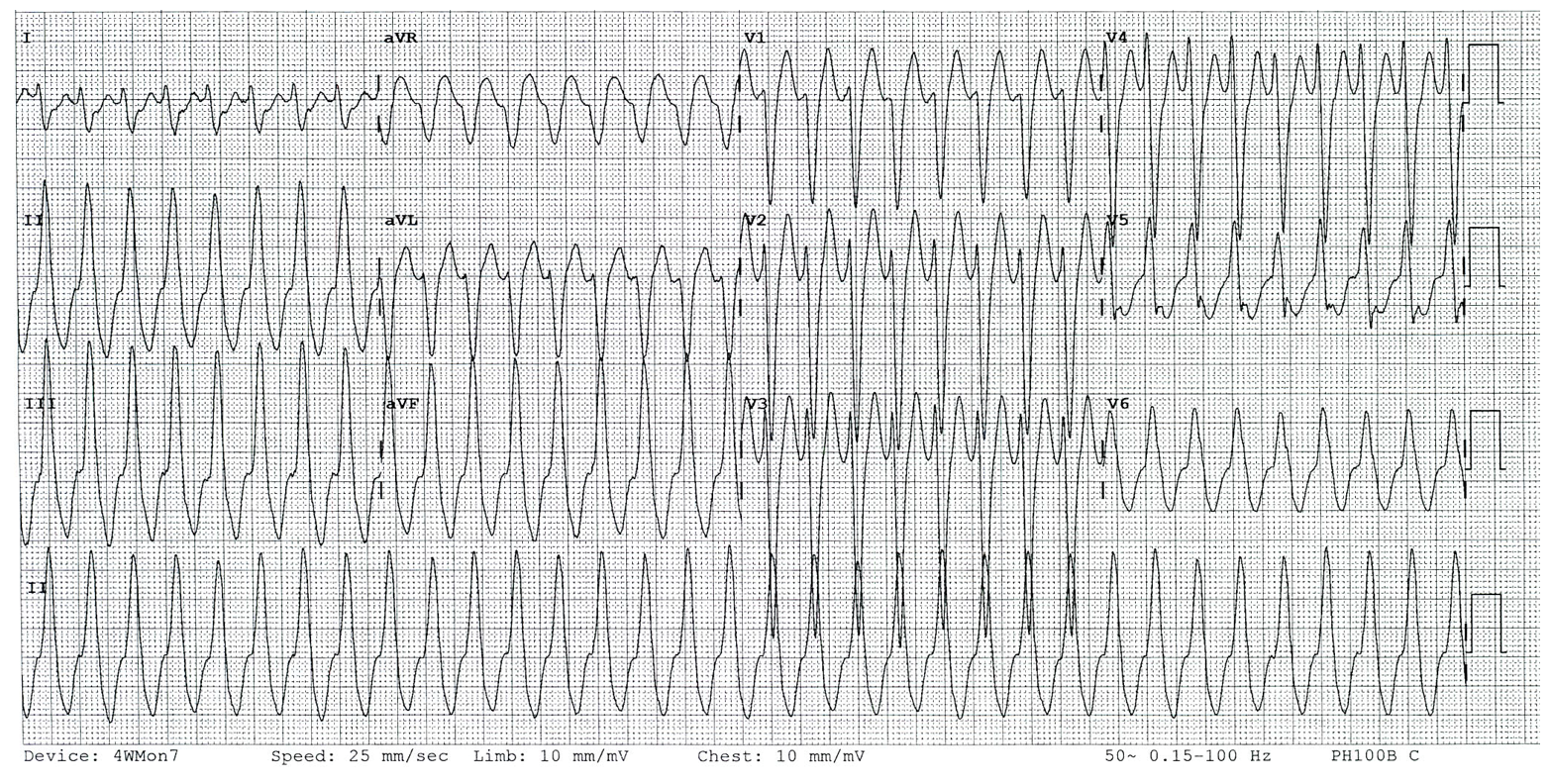
1) Describe the ECG and diagnosis.
Ventricular rate of HR 214bpm
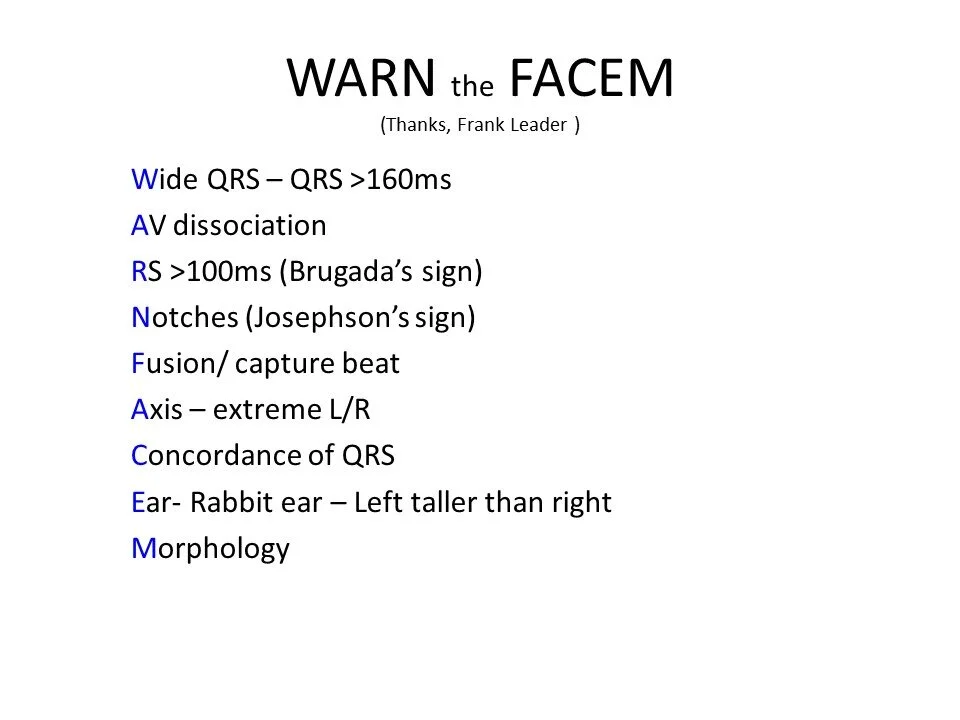
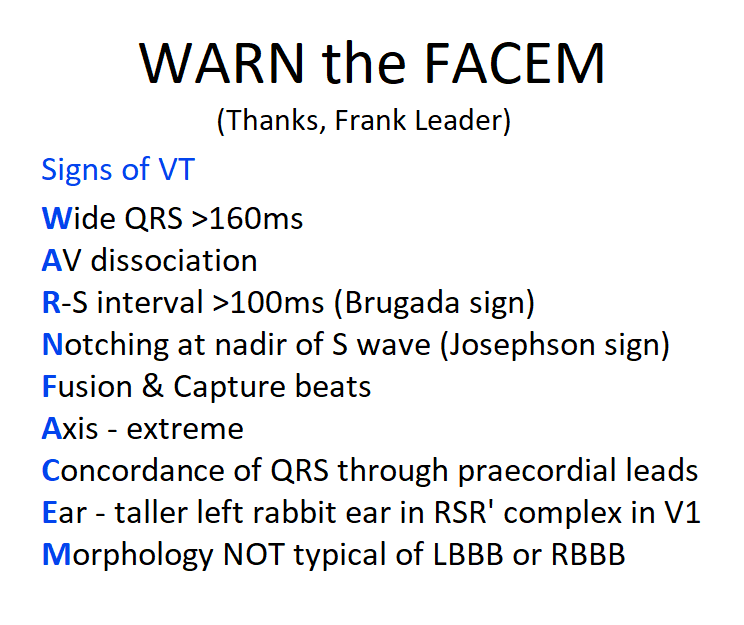
Wide QRS (about 160ms)
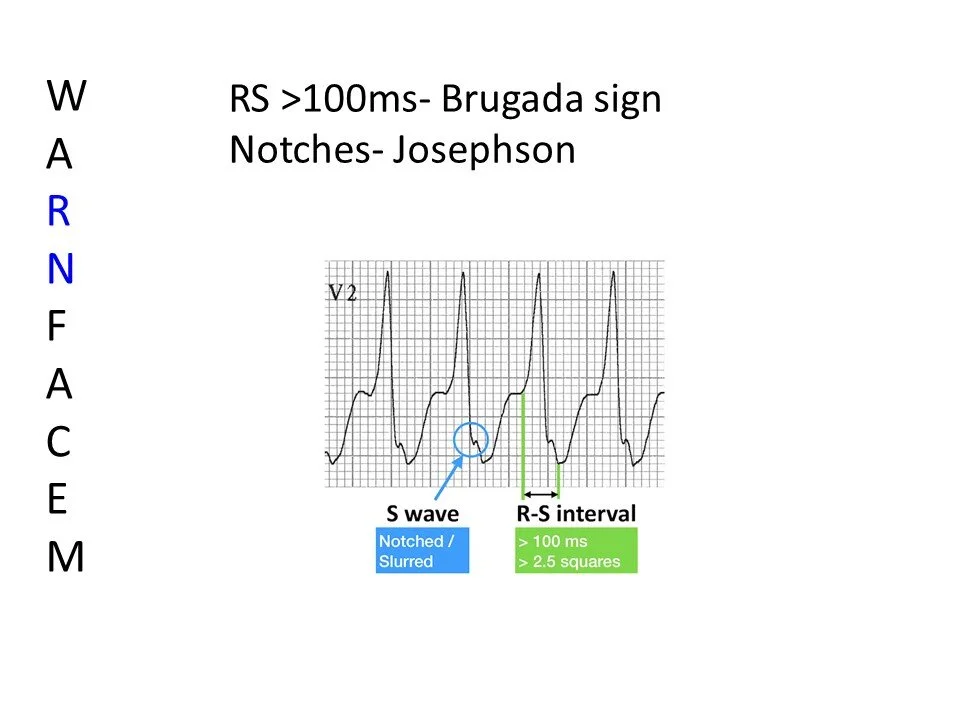
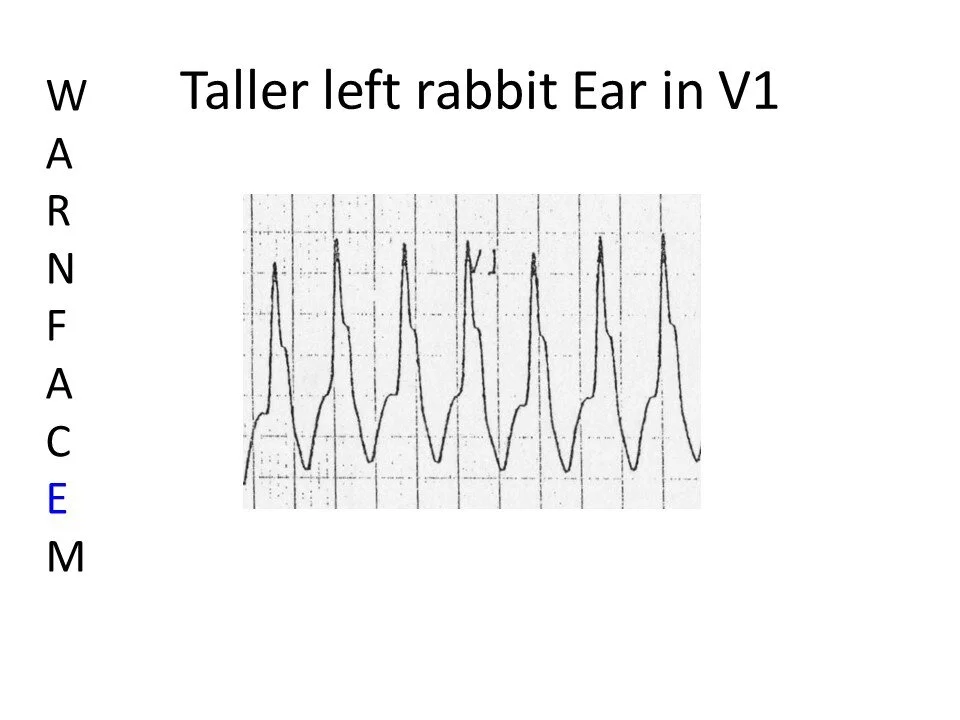
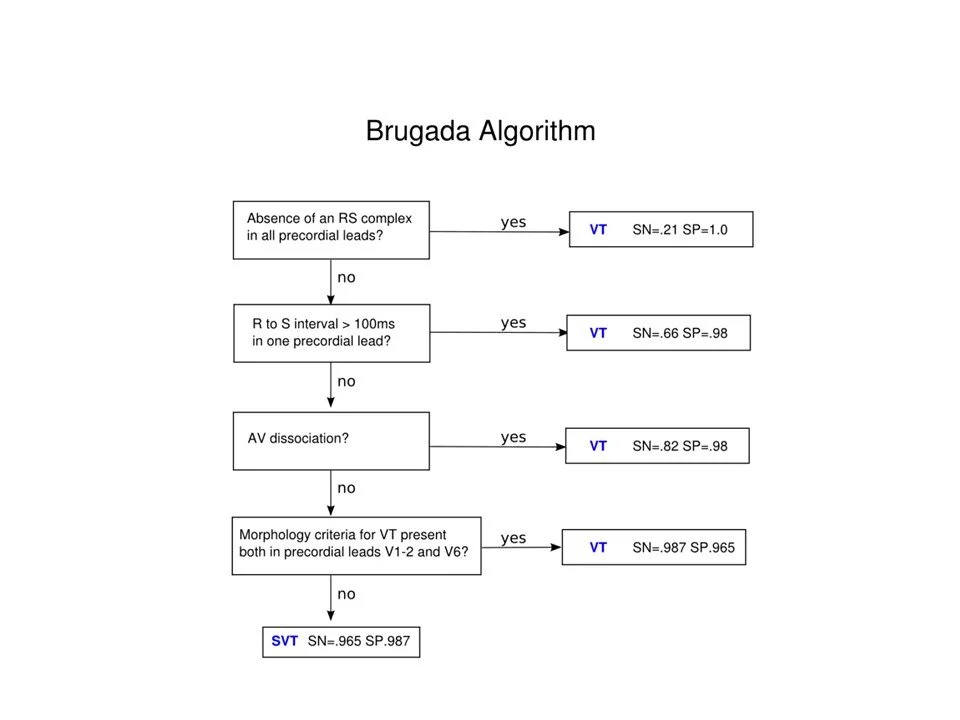
RS interval 120ms (>100ms) in V4
Josephson sign most evident in V5
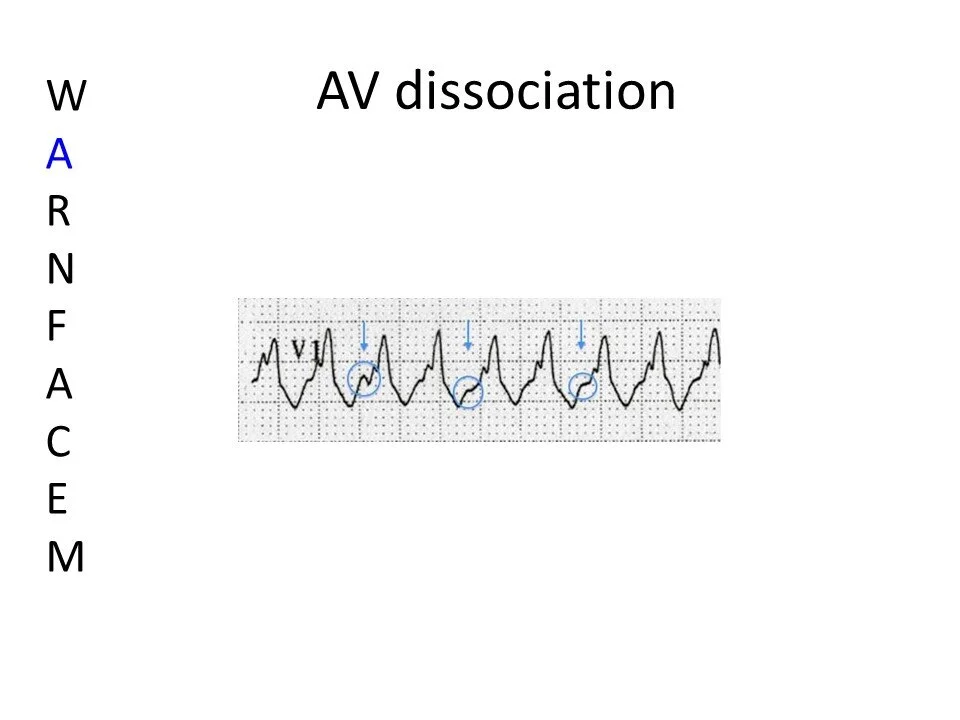
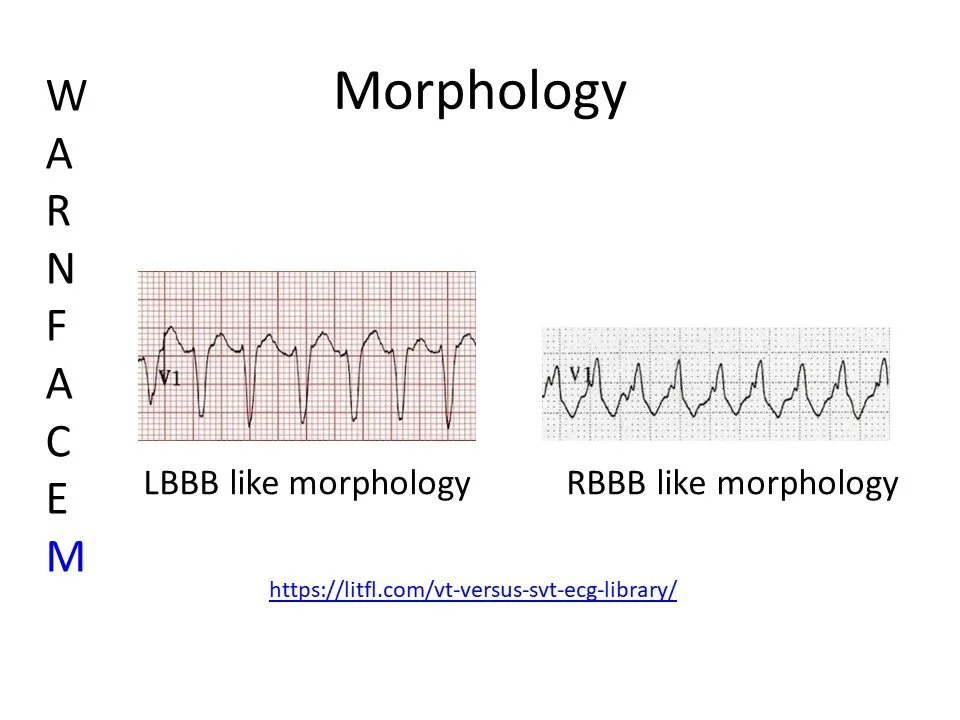
Appearance of LBBB in V1-2 with R wave >40ms in V2 and RS interval of 80ms
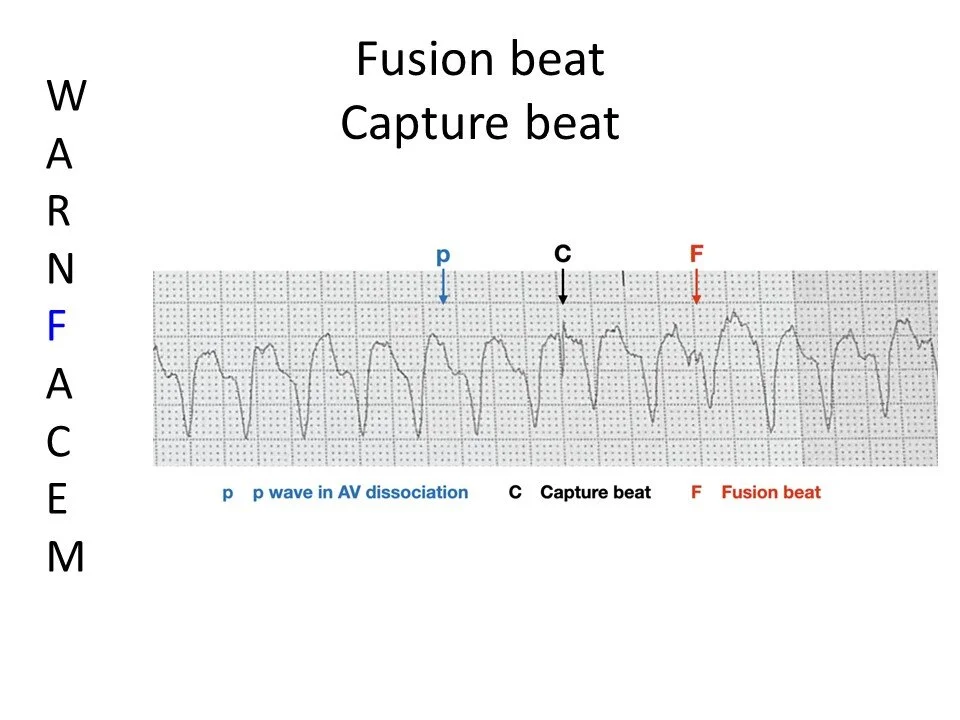
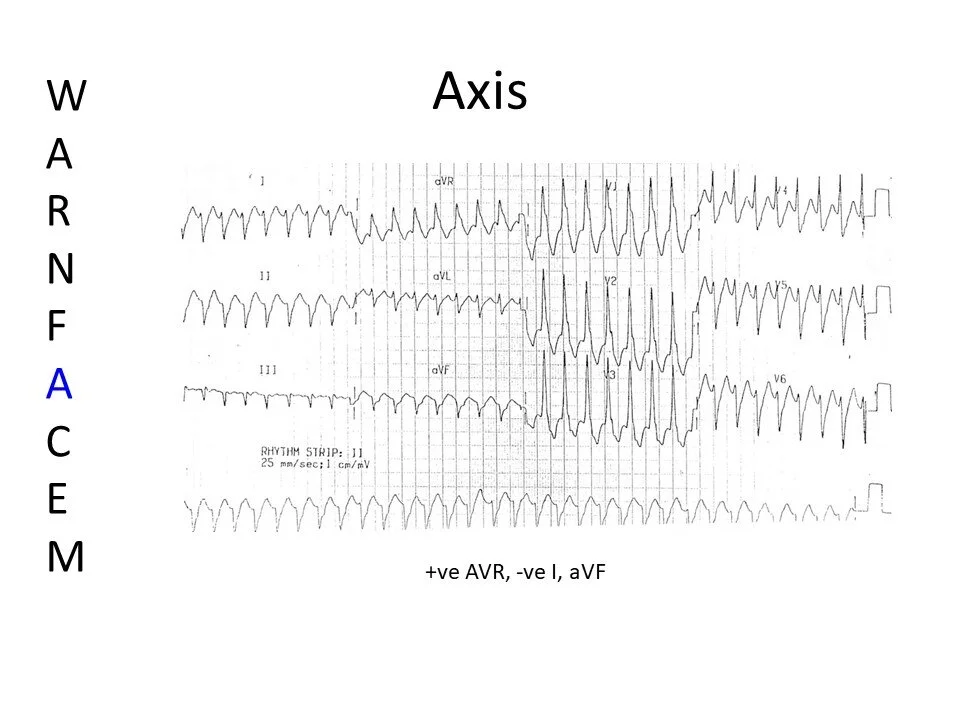
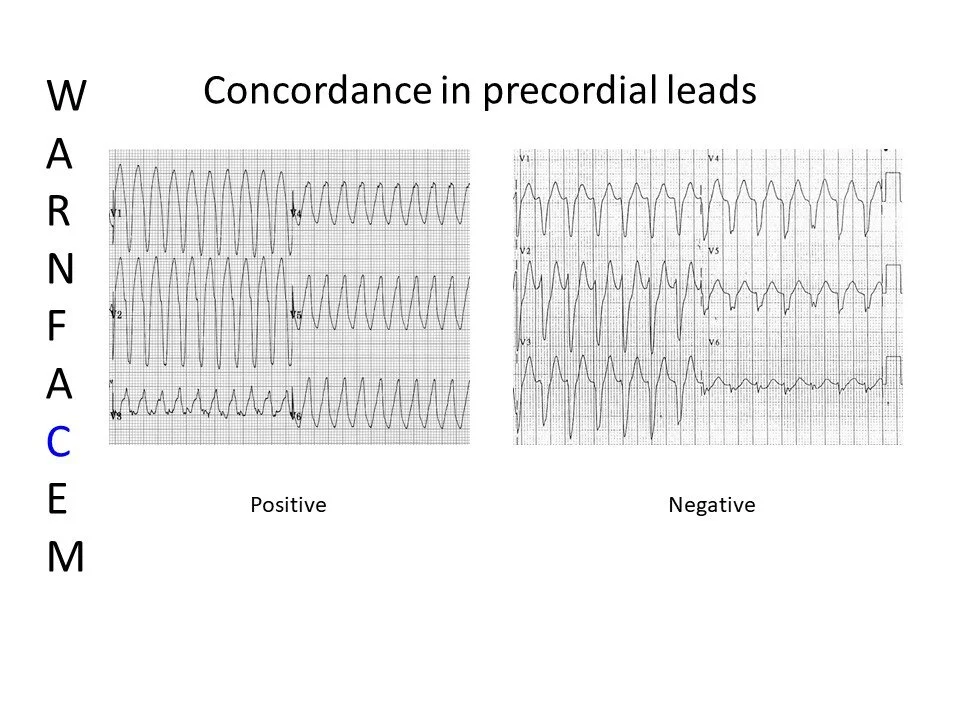
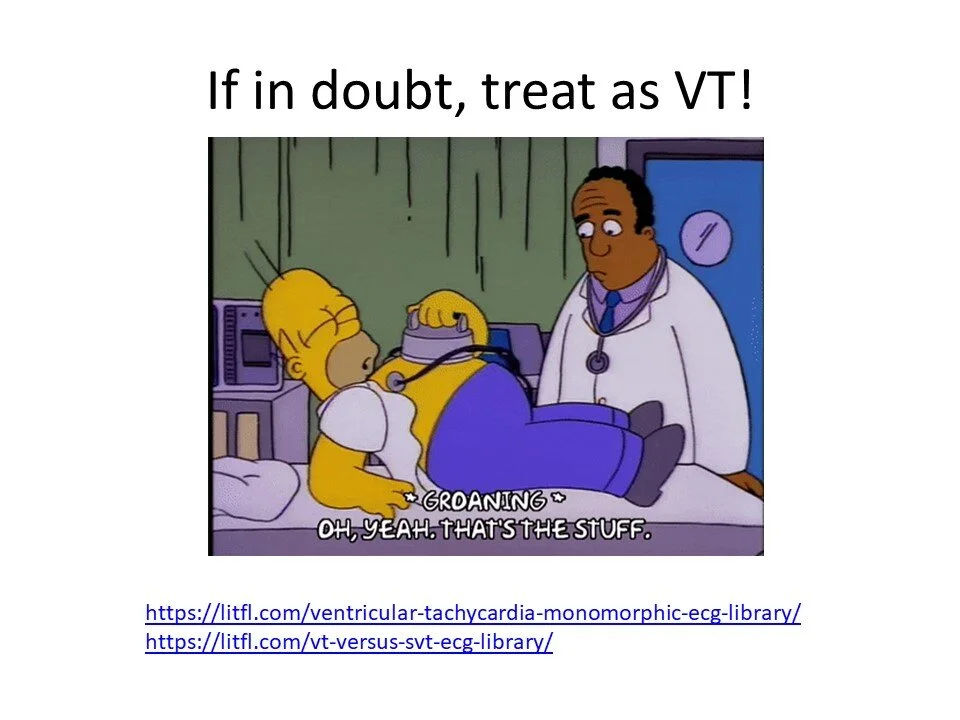
Diagnosis: Monomorphic VT
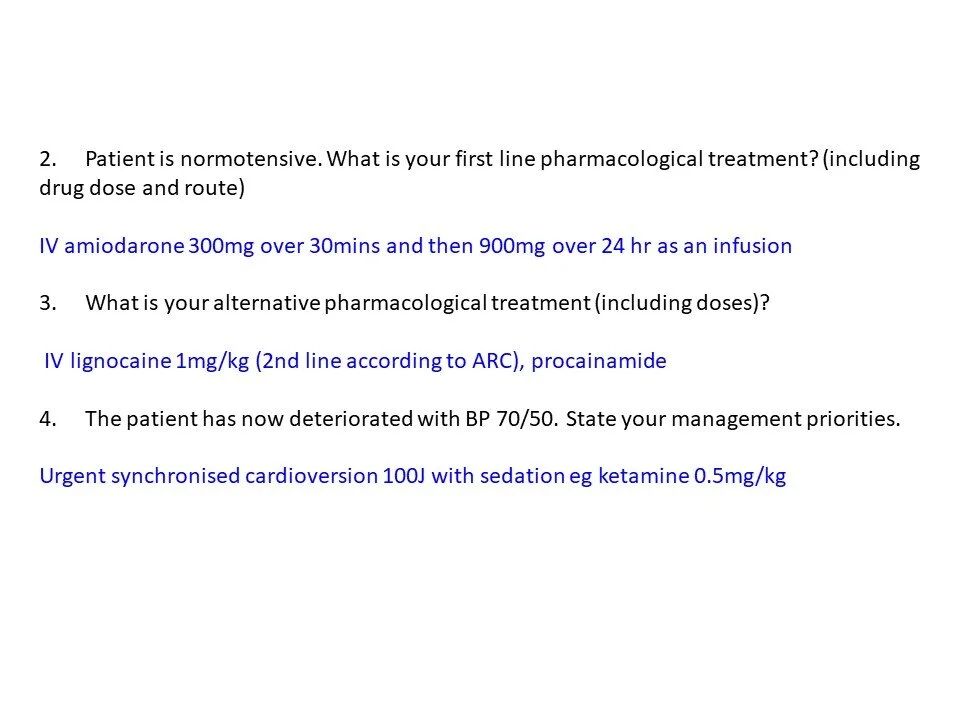
2) The patient is normotensive. What is your first-line pharmacological treatment of the above diagnosis?
IV amiodarone 300mg over 30min, then 900mg over 24 hours
3) What is an alternative pharmacological treatment?
IV lignocaine 1.5mg/kg (max 100mg)
4) The patient becomes hypotensive BP 70/50. Describe your most urgent priority.
Urgent synchronised cardioversion 100J with sedation (e.g. IV ketamine 0.5mg/kg stat).