
Ketoacidosis
Alex Handrinos
Key Points
There are three main causes for ketoacidosis: diabetic, alcoholic and fasting
Beta-hyroxybutyric acid is the main ketone body that rises in all of these states but with different ratios to other ketone bodies
Urinalysis does not detect beta-hydroxybutyric acid
Check ketones in all unwell patients who are taking SLGT2 inhibitors
Why do we care about ketones?
The presence of ketones is commonly seen in our department. These patients can be severely unwell requiring urgent treatment. The presence of a ketoacidosis has implications on the way we correct the acidosis and therefore it is vital that we recognise when they are present. In recent posts about blood gas interpretation we discuss ketones as a contributing factor to a metabolic acidosis.
Using the Fencl-Stewart method we often come to an “unexplained” metabolic acidosis that we attribute to weak acids such as ketones.
Using a traditional method, ketones are one of the few causes of a raised anion gap metabolic acidosis.
What are they?
Ketone bodies are fat-derived fuels that the body utilises in many tissues when there is limited glucose available. They are produced in the liver in response to a complex homeostatic mechanism involving low insulin levels and high glucagon levels.
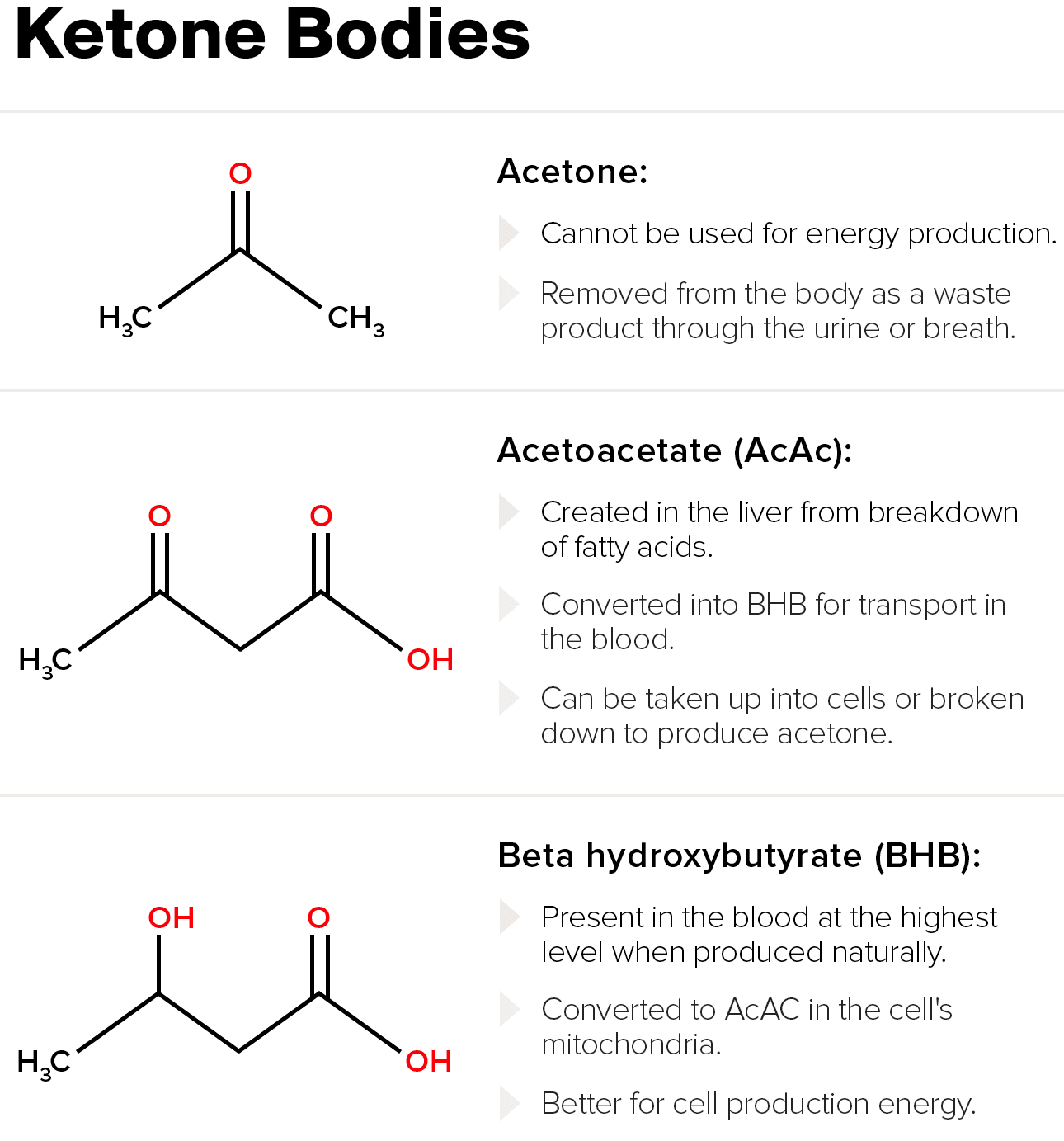
There are three major ketone bodies:
Acetoacetic acid
Beta-hydroxybutyric acid
Acetone (not actually an acid)
In high levels, these can cause a life threatening metabolic acidosis.
How do we measure them?
Ketoacidosis is diagnosed by the presence of both ketones (in the blood or urine) and the presence of an acidosis.
The ratio between beta-hydroxybutyric acid and acetoacetate is important to understand when interpreting these tests
In the healthy person the ratio is 1:1
In DKA, this often rises to 3:1 (that is, there is more beta-hydroxybutyric acid)
In alcoholic or fasting ketoacidosis this may rise to 10:1 (there is much more beta-hydroxybutyric acid)
Urinalysis
Detects acetoacetate and to a lesser degree, acetone.
It does not detect beta-hydroxybutyric acid.
False negatives can occur when beta-hydroxybutyric acid is the primary raised ketone body
False positives can occur with drugs that contain free sulfhydral groups such as captopril and penicillamine.
Point of care ketone blood testing
Detects beta-hydroxybutyric acid
Does not detect acetoacetate or acetone
Very specific, easy and quick test to perform.
What causes a rise in ketones?
There are really only three causes of raised ketones but they may not occur in isolation.
Fasting/starvation ketosis
The production of ketone bodies is the normal physiologic response to fasting. Mild ketosis (but not ketoacidosis) begins after a 12 to 14 hour fast. If fasting continues, the ketoacid concentration rises and reaches severity over ensuing days (peaks at up to 20-30 days). At an unpredictable point, the fasting ketosis becomes a ketoacidosis. However, the degree of acidosis usually remains mild and thus the term “ketosis” rather than “ketoacidosis” is usually used. The plasma pH typically remains > 7.3 and the plasma ketones are no more than 3-5mmol/L (normal 1mmol/L).
It is a result of the accumulation of primarily beta-hydroxybutyric acid and to a lesser degree acetoacetic acid. There is no evidence of adverse effects associated with fasting ketosis unless there is a relatively large glucose requirement as is the case in young children and pregnant or lactating women.
Ketoacidosis has been described in patients on a very low-carbohydrate, high-fat diets.
Alcoholic ketoacidosis
Typically this occurs in malnourished patients with chronic alcoholism and a history of binge alcohol ingestion. Active drinking has often stopped due to nausea, vomiting and abdominal pain. The patient generally develops ketoacidosis one to two days after stopping drinking… potentially at the same time as serious alcohol withdrawal. Blood alcohol levels are usually low or normal at this point. These patients can have marked metabolic derangement and be very unwell with pH <7. Blood sugar levels may be low, normal or high.
Once again, beta-hydroxybutyric acid is the major ketone body that accumulates.
Diabetic ketoacidosis
This is the most common cause of ketoacidosis. However, this is not the forum to discuss DKA.
Remember that euglycaemic DKA can occur in the very young, in pregnant women and in patients being treated with SGLT2 inhibitors. Given that early DKA can present with vague symptoms I suggest checking ketones in patients taking SLGT2 inhibitors (dapagliflozin, empagliflozin etc) that present to the emergency department as mild illness can precipitate DKA. A normal BSL will not rule out this diagnosis.
How do I treat these patients?
It’s all about treating the underlying cause. In addition to this:
DKA - follow the protocol
Fasting ketosis - these patients need fluids, usually a combination of saline and dextrose. Management will depend on the volume and electrolyte state of the patient. Be cautious if the patient is hypokalaemic as glucose with stimulate insulin causing further potassium shift into cells.
Alcoholic ketoacidosis - give thiamine before glucose due to theoretical risk of precipitating Wernicke’s encephalopathy (poor evidence). I wouldn’t withhold glucose in the hypoglycaemic patient that would otherwise require urgent attention. These patients may require insulin infusions if hyperglycaemic.
What about acetone?
Causes that delightful fruity smell on the breath of these patients but otherwise isn’t particularly useful. It’s not actually an acid and doesn’t contribute to the acidosis.