11 August 2021 - Haematology & Orthopaedics
Teaching this week will be on Microsoft Teams:
Program
1000—1015: Recap — Sarah Simons
1015—1030: ECG & Image of the Week — Rachel Goh
1030—1130: Orthopaedic Tute — Jarrad Stevens
1130—1200: Abnormal Haemoglobins — Ben Lee
1200—1230: Lunch
1230—1330: Morbidity & Mortality / Safety & Success Meeting — Kirsten Cassidy
1330—1400: Hyperviscosity Syndromes — Camillo Vesga
1330—1500: Fellowship Written Group — Alex Handrinos
ECG of the Week
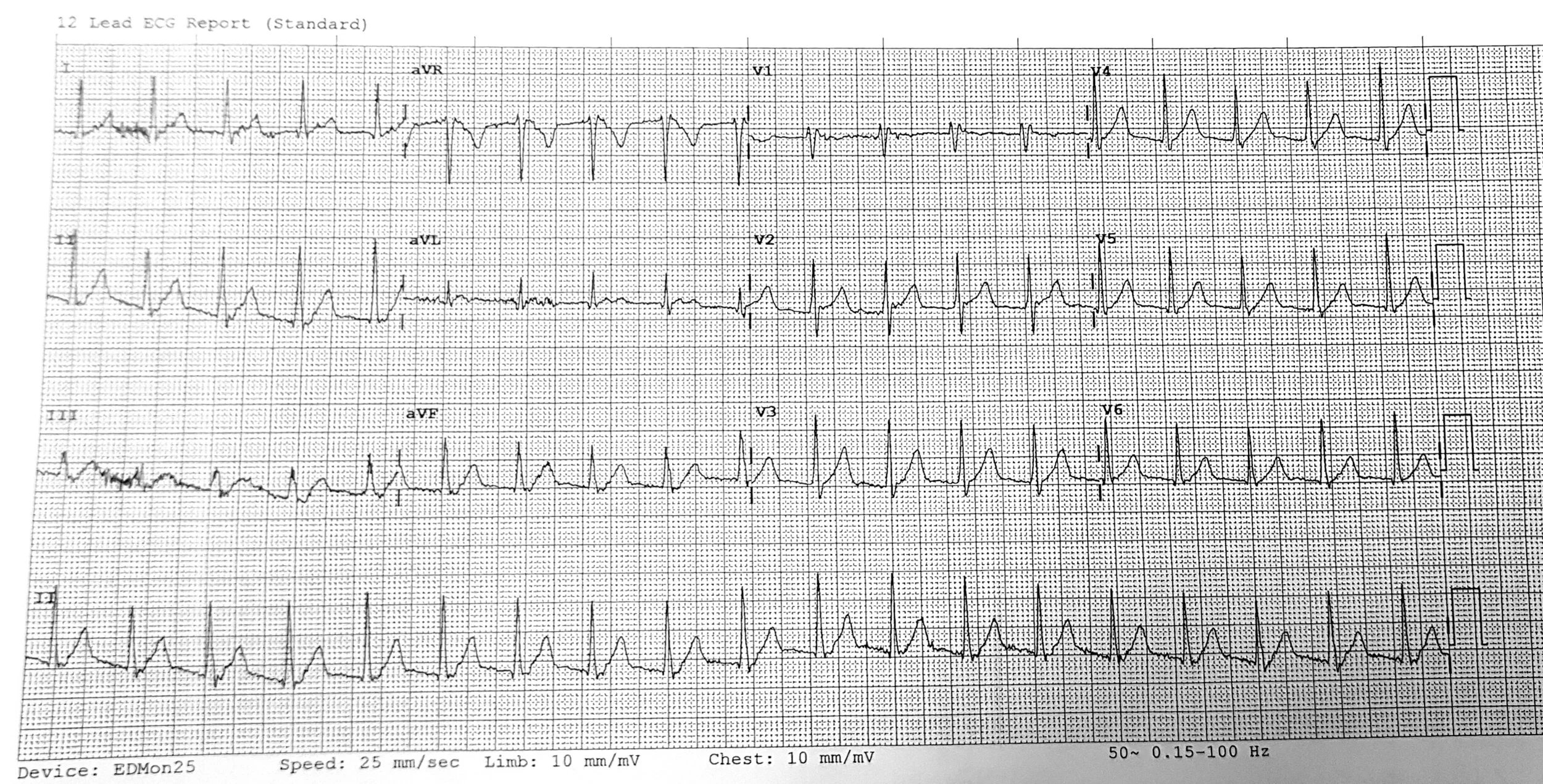
40yo man presented with dyspnoea and lightheadedness. He has a history of SVT.
lLink to ECG of the Week talk: https://vimeo.com/586729999/5b25ddda8d
1) Describe the ECG
SVT or junctional tachycardia
Narrow-complex tachycardia
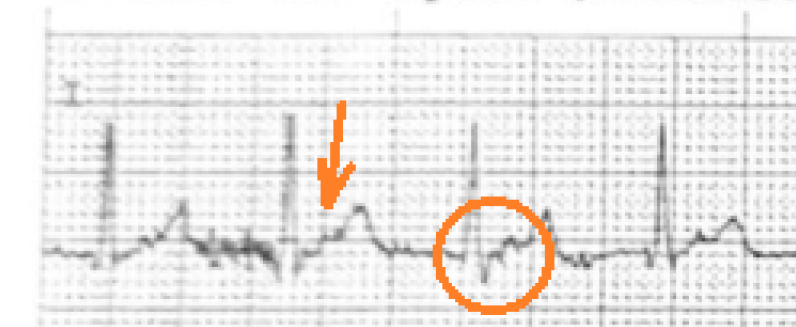
Retrograde p waves — best seen at the beginning of the T wave in inferior leads and V1
Difference between SVT and junctional tachycardia:
SVT aka AVNRT (AV nodal reentrant tachycardia) = Premature atrial beat activates a reentrant loop
Junctional tachycardia = Rate of AV node exceeds that of the SA node, usually due to increased automaticity of AV nodal cells
NOTE: Retrograde p waves can be present in both SVT and junctional tachycardia, and can appear before, during or after the QRS complex
2) What is a non-invasive technique you could try to revert him to sinus rhythm? Describe what it involves.
Modfied Valsalva manoeuvre — 1) While sitting, blow into a 10mL syringe for 15 seconds. 2) Quickly lay supine and lift legs 45 degrees into the air.
Reverse Valsalva manoeuvre — 1) Tell patient to fully exhale. 2) Pinch nose. 3) Tell patient to inhale against pinched nose for 10 seconds.
Carotid massage
Ice bucket challenge
3) You decide to try adenosine. What doses would you use? What side effects would you warn the patient about?
6mg, 12mg, 12mg (could also use 18mg instead of 12mg last)
Chest pain, dyspnoea, flushing
Bronchospasm in patients with asthma
Feeling of “impending doom” or “feeling that you might be dying” that lasts a few seconds
4) Neither the non-invasive technique or adenosine work. What could you try next?
Procedural sedation and DCR
Consult Cardiology
Beta blocker, e.g. PO metoprolol 25 mg or 50 mg; IV metoprolol 1-2 mg repeated every 5 min up to 5 mg
Calcium channel blocker, e.g. IV verapamil 5 mg, repeat up to 15 mg every 5 min
IV amiodarone 150 mg bolus then 300mg over 24 hrs
IV MgSO4 10 mmoL over 1 hr, aiming for Mg >4.0
Image of the Week
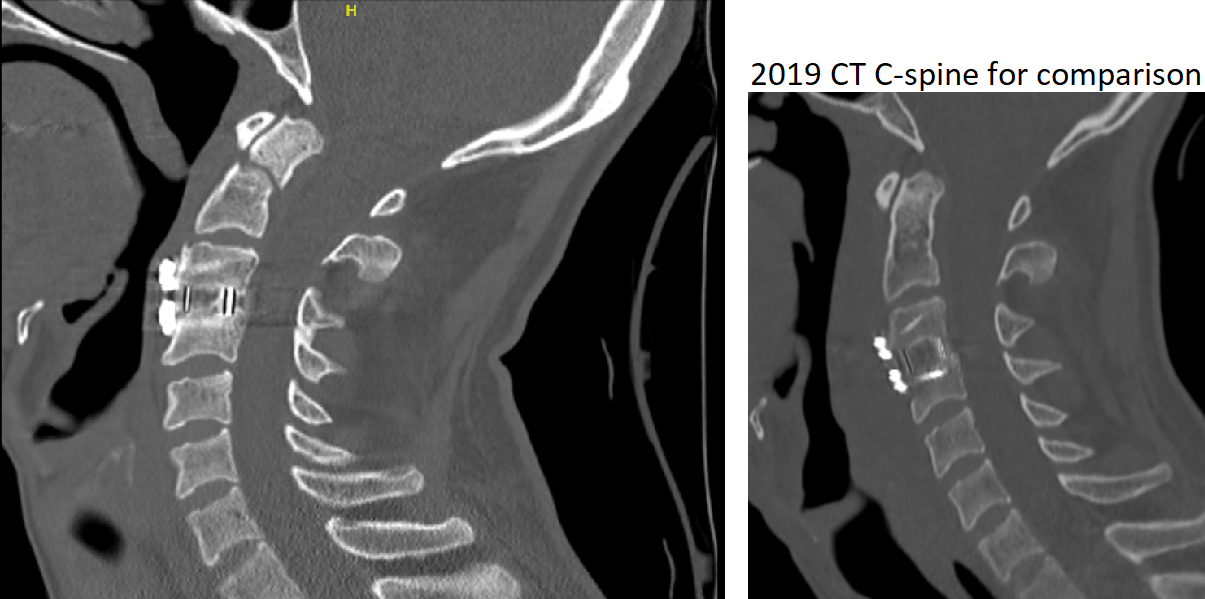
32yo male prisoner brought in after an unwitnessed seizure with a chin laceration. Reports 2 days of headache, nausea and vomiting. He has a past medical history of opioid and benzodiazepine dependence, as well as a C3/4 fracture requiring fixation following a withdrawal seizure in 2019.
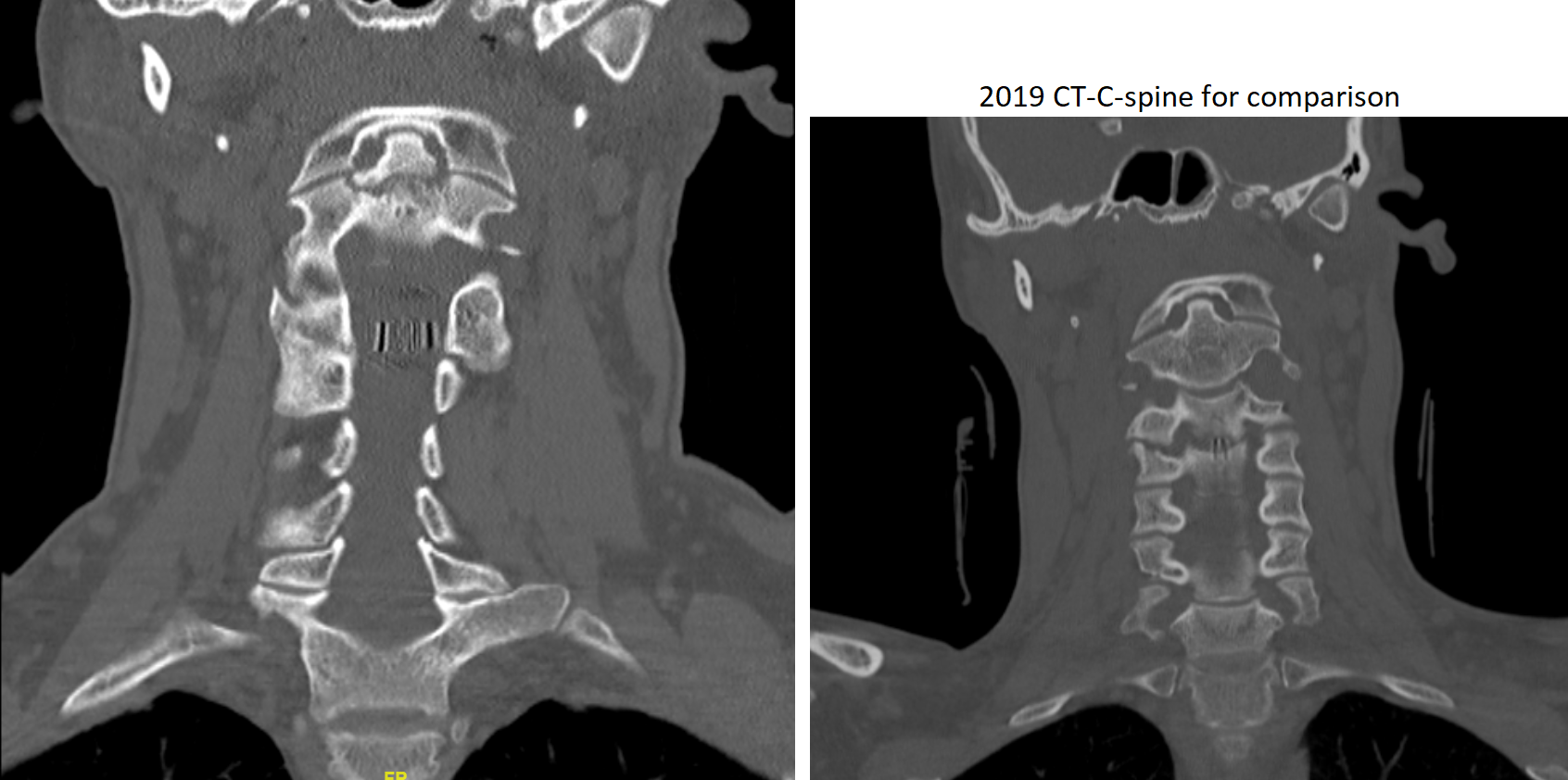
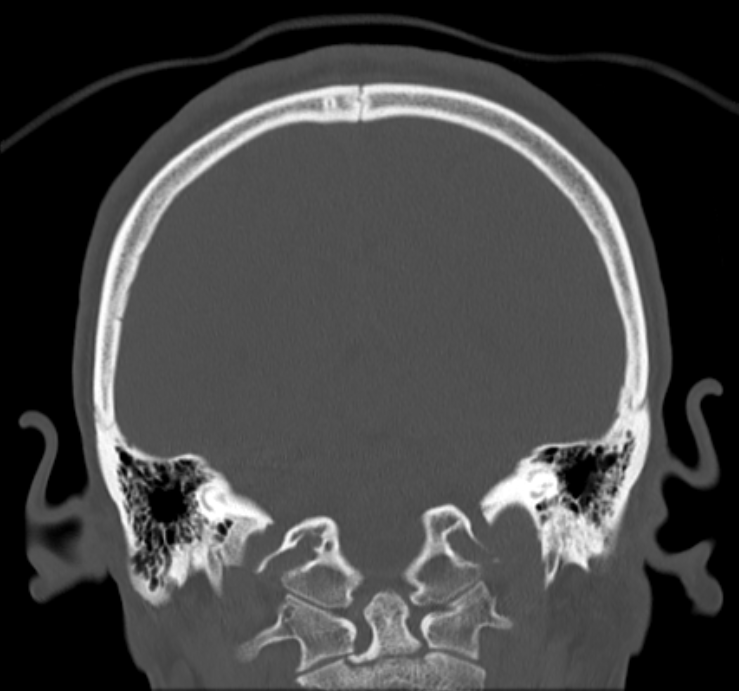
Link to Image of the Week talk: https://vimeo.com/586730123/819528e6d2
1) What is this fracture and its classification?
Dens fracture. Type II/III classification (Anderson and D’Alonzo — more commonly used than Roy-Camille).
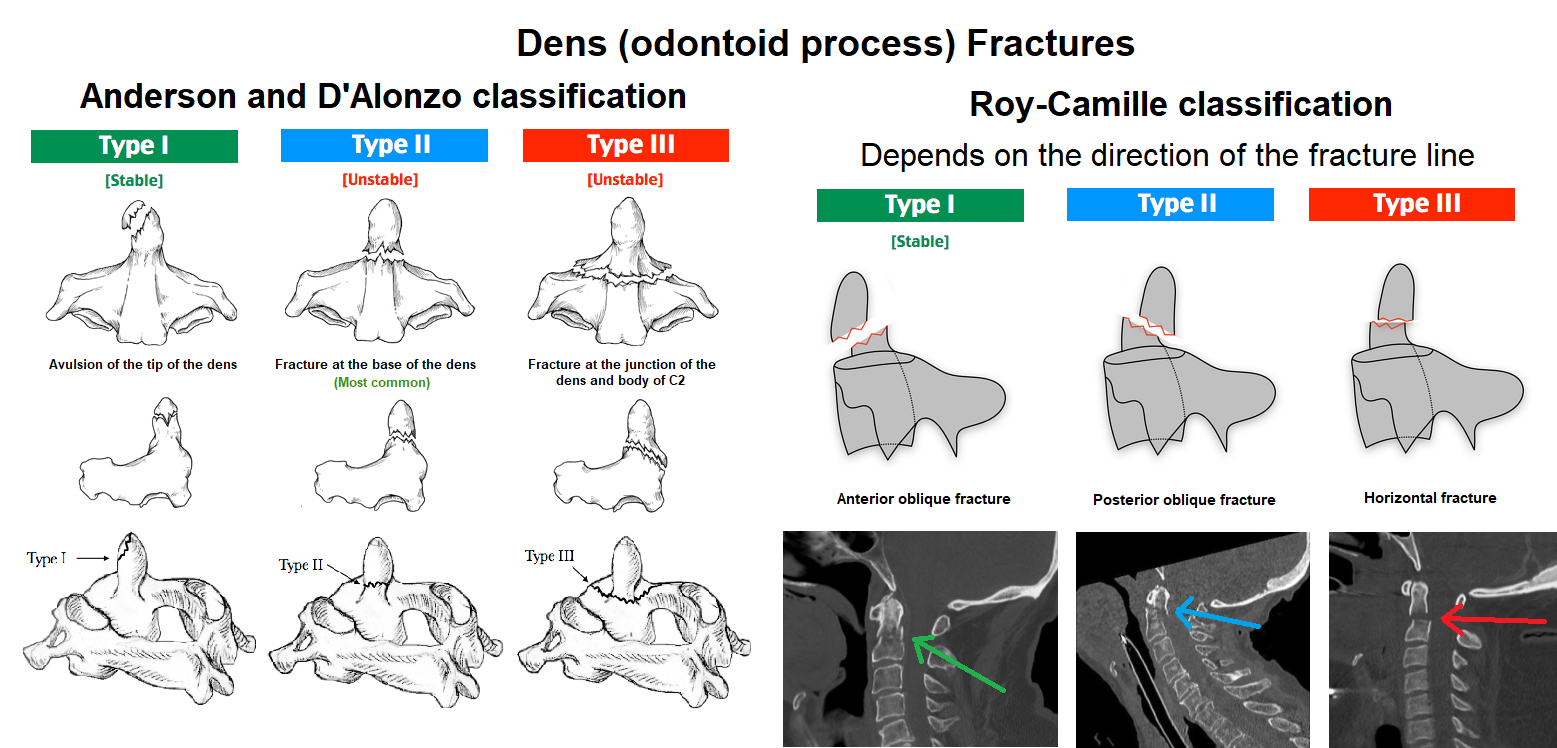


2) Is it stable or unstable?
Unstable
3) What are your next 5 steps in managing this patient?
Spinal immobilisation — Philadelphia collar, keep supine and explain importance to patient
ABC and secondary survey incl. neuro exam
Anti-emetics and analgesia
Identify and treat cause of seizure, e.g. withdrawal, meningitis
Neurosurgical consult, MRI and CT angio for cerebral vessel injury