
Program
1000-1030: welcome, recap, ECG (Ezra), Image (Kat)
1030-1130: Caring for patients from refugee backgrounds: Monita Mascitti-Meuter
1130-1145: coffee
1145-1215: Post partum haemorrhage: Mim
1215:1245: Eclampsia Dan
1245-1315: lunch
1315: Fellowship written group with Alex, OSCE with Brendan
1315-1445: Skills with Sarah: CVC insertion, surgical airway
Caring for patients from refugee backgrounds - Key Points
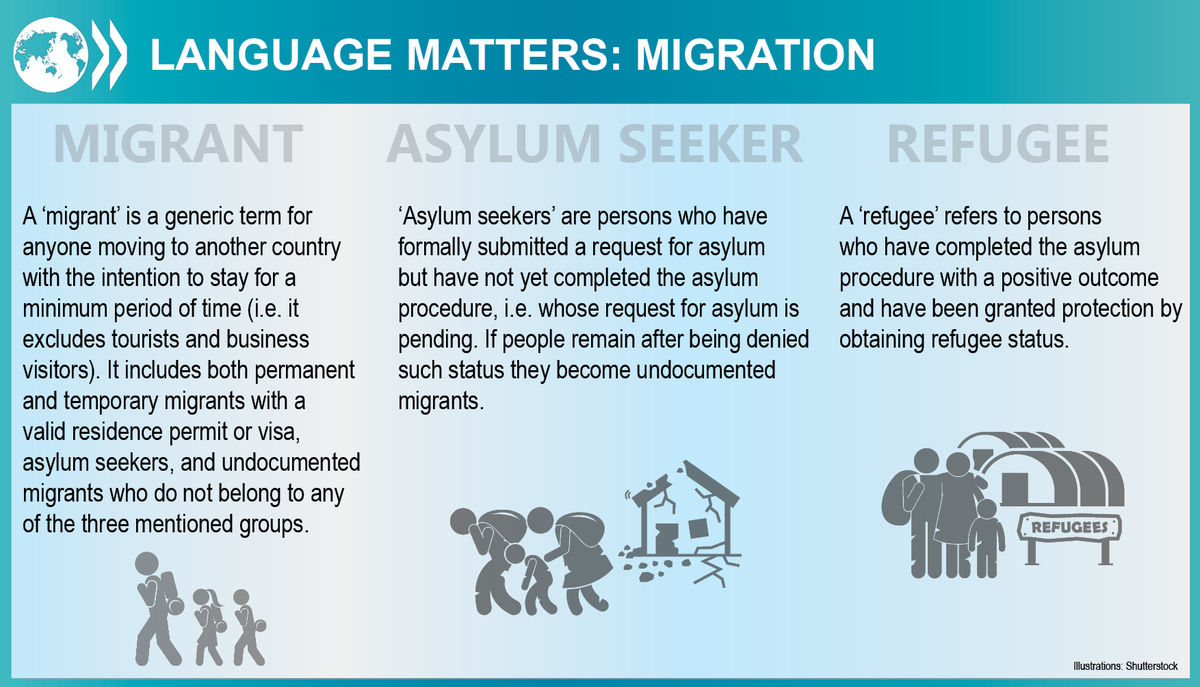
The terms asylum seeker and refugee are often confused.
An asylum seeker is a person seeking protection because they fear persecution or have experienced violence / human rights violations.
A refugee is a person who has requested protection and has been given refugee status. They may have been resettled in another country or be waiting for resettlement. Not every asylum seeker becomes a refugee, but every refugee starts out as an asylum seeker.
A migrant is a person who leaves their home to go to a new place – usually abroad – to seek opportunities or safer and better prospects. Migration can be voluntary or involuntary, but most of the time a combination of choices and constraints is involved.
Here at St V’s, we are seeing an increased number of Somali and Syrian patients. Head to the Victorian Refugee Health Network for links to community clinics that we can refer patients to.
ECG of the Week
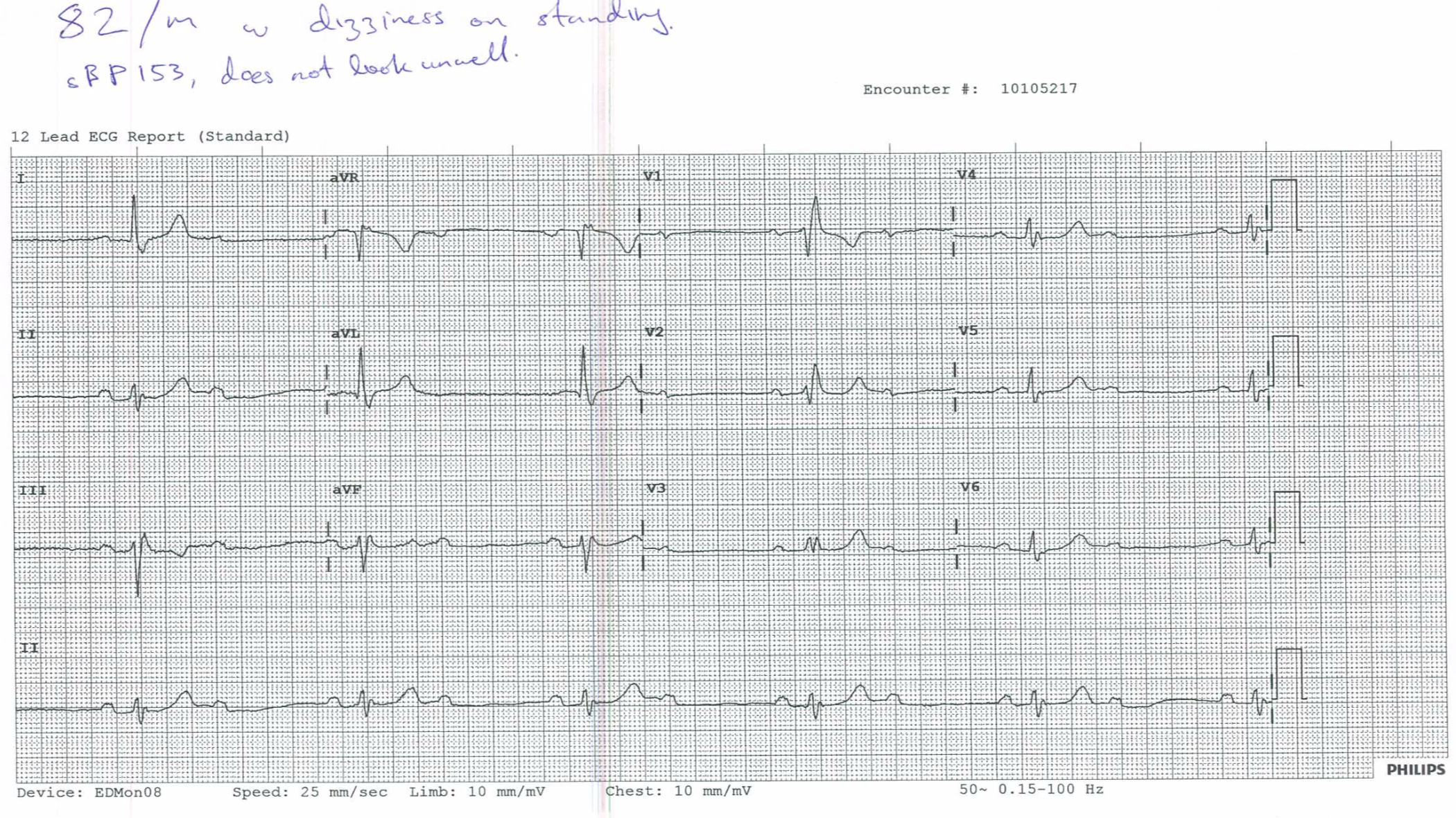
1) Describe the ECG
Bifascicular block (RBBB and left anterior fascicular block)
1st degree AV block
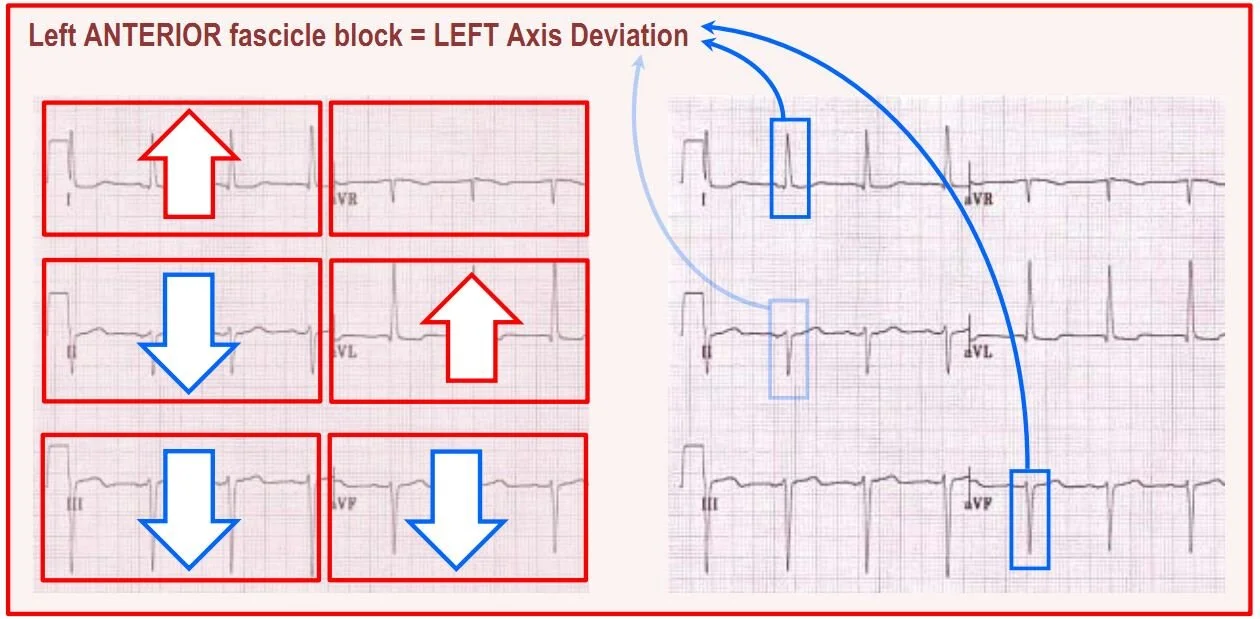
NOTE: Left anterior fascicular block consists of:
Left axis deviation
Upward QRS (qR complex) in Lead I and aVL
Downward QRS (rS complex) in inferior leads
Prolonged R wave peak time in aVL > 45ms (i.e. time from Q to peak of R wave is > 1 small box)
2) Is this a trifascicular block?
No. To be true trifascicular block, you need:
Bifascicular block (RBBB and left anterior / posterior fascicular block)
3rd degree AV block (not 1st or 2nd degree)
3) How would you manage this patient?
Admit under Cardiology for monitoring and likely pacemaker insertion
Symptomatic patients with bifascicular block should be admitted for monitoring and likely pacemaker insertion
Asymptomatic patients with bifascicular block and 1st degree AV block is not an indication for pacing
Patients with true trifascicular block will require pacemaker insertion